
 Home for the Curious Mind
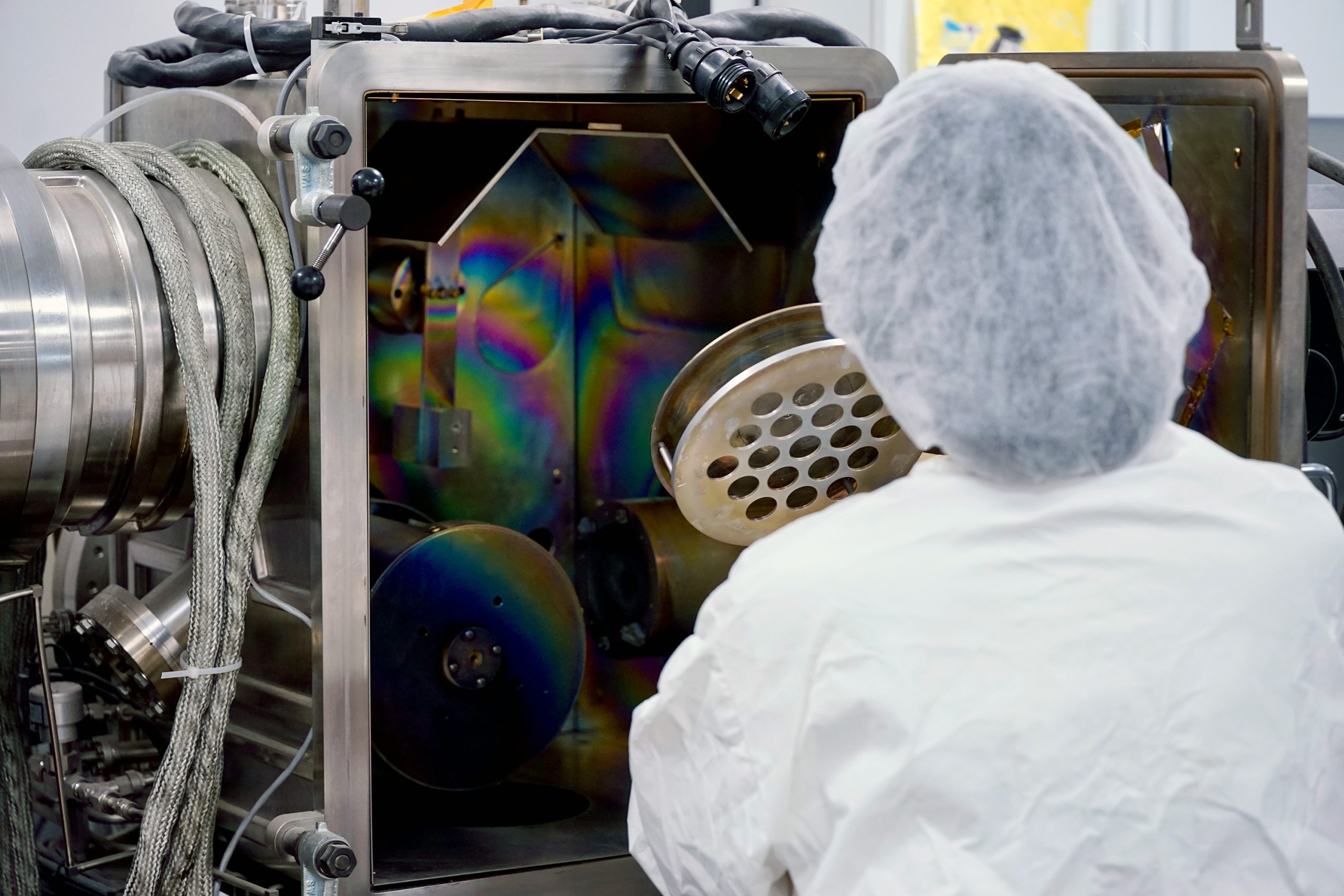
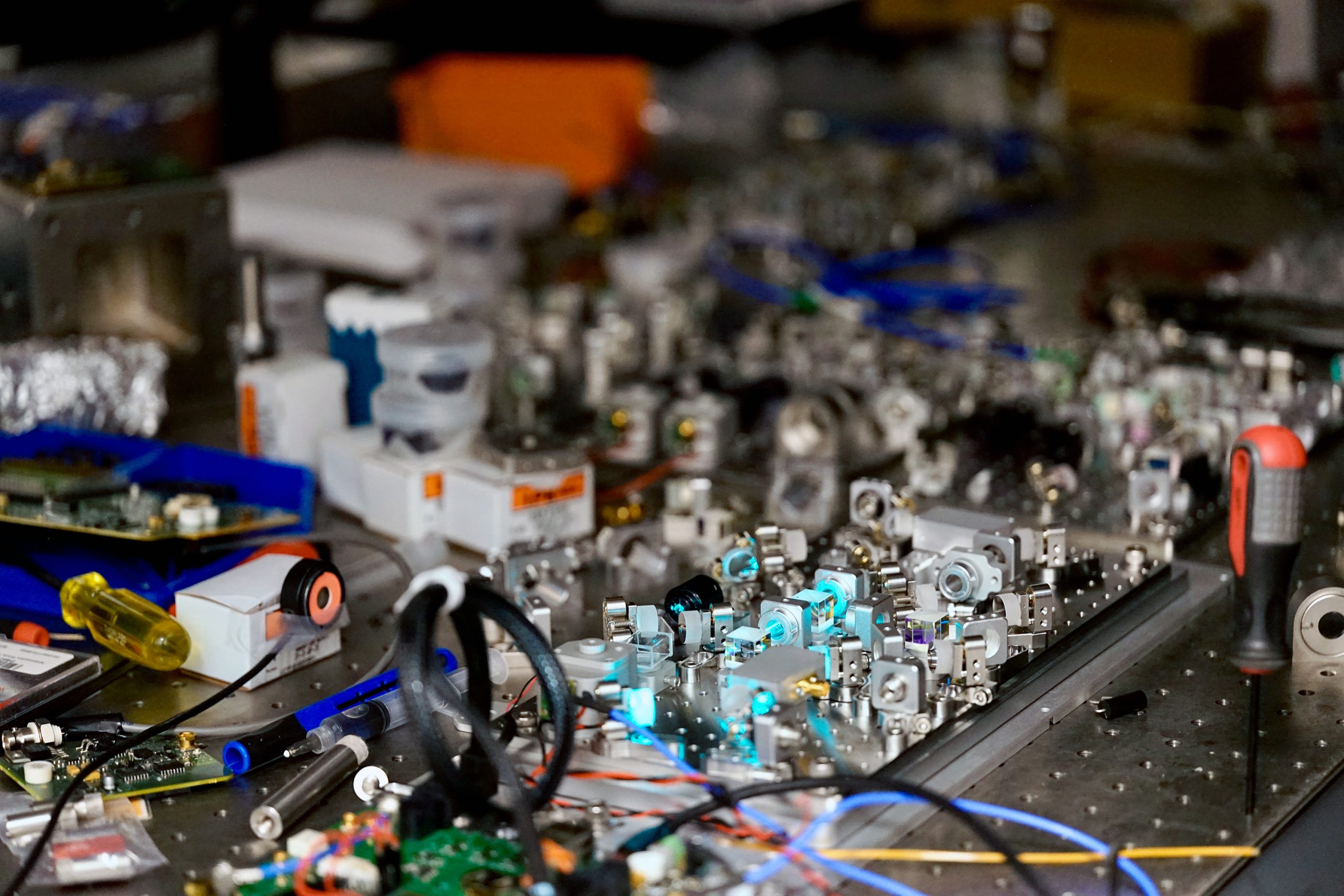
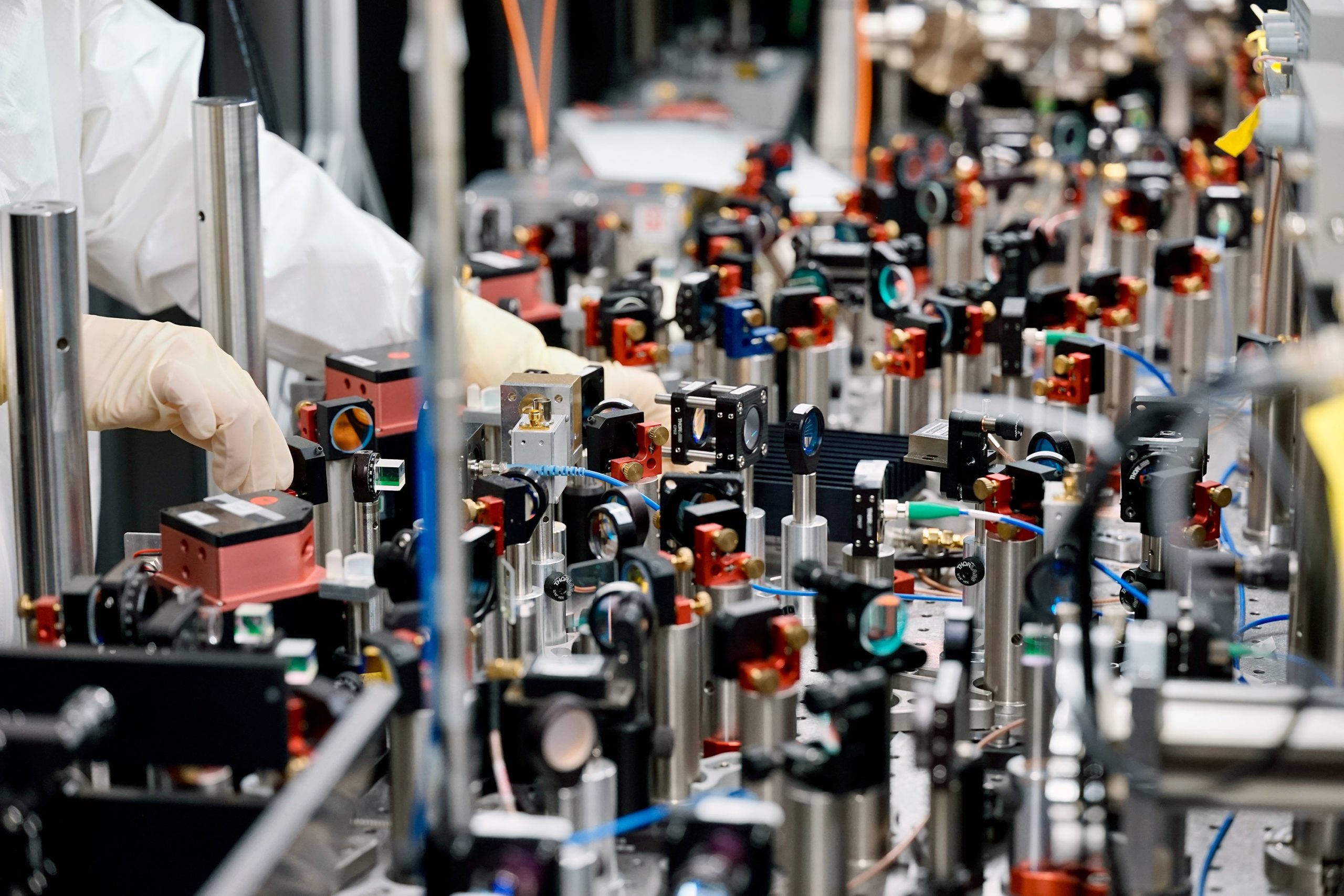
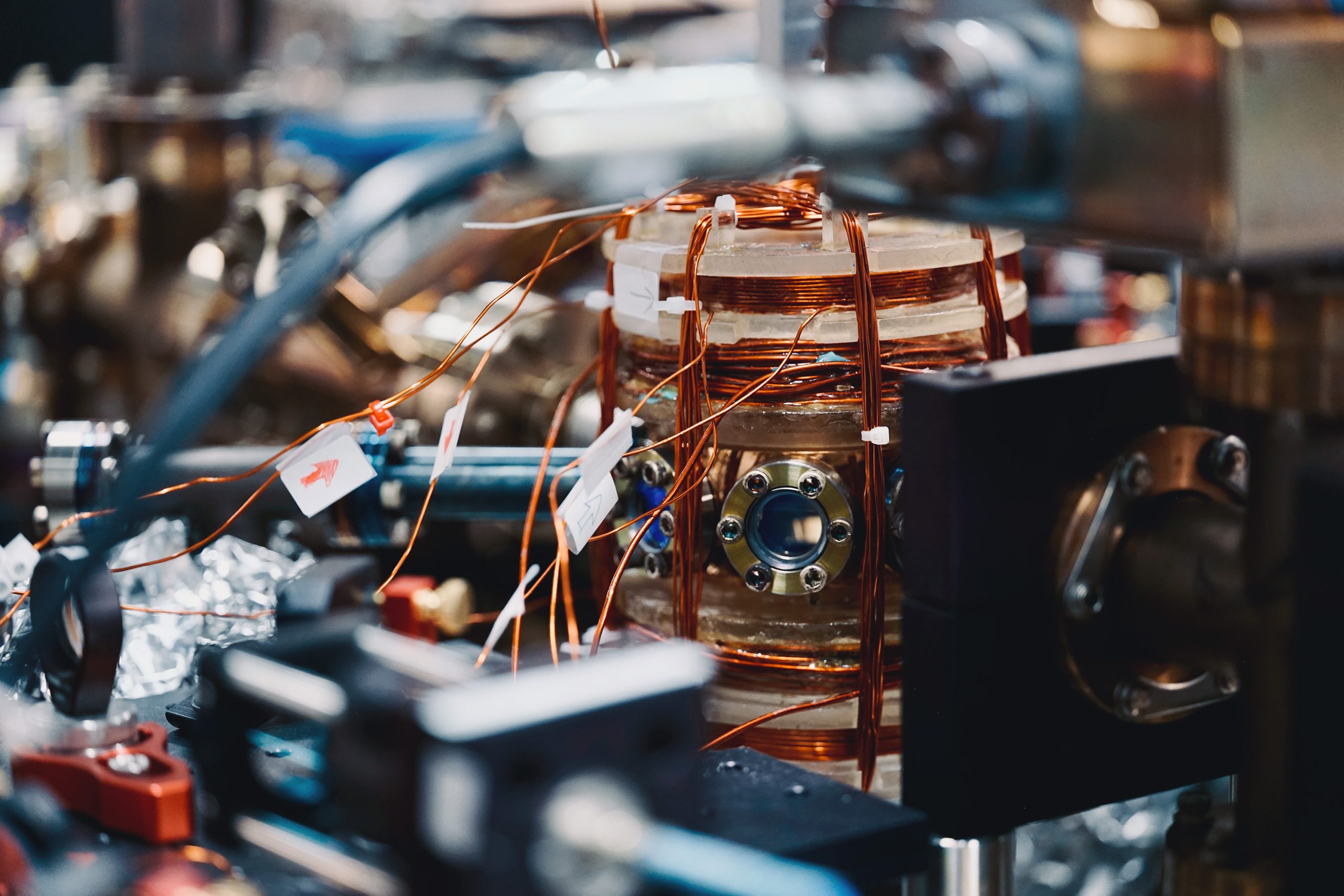
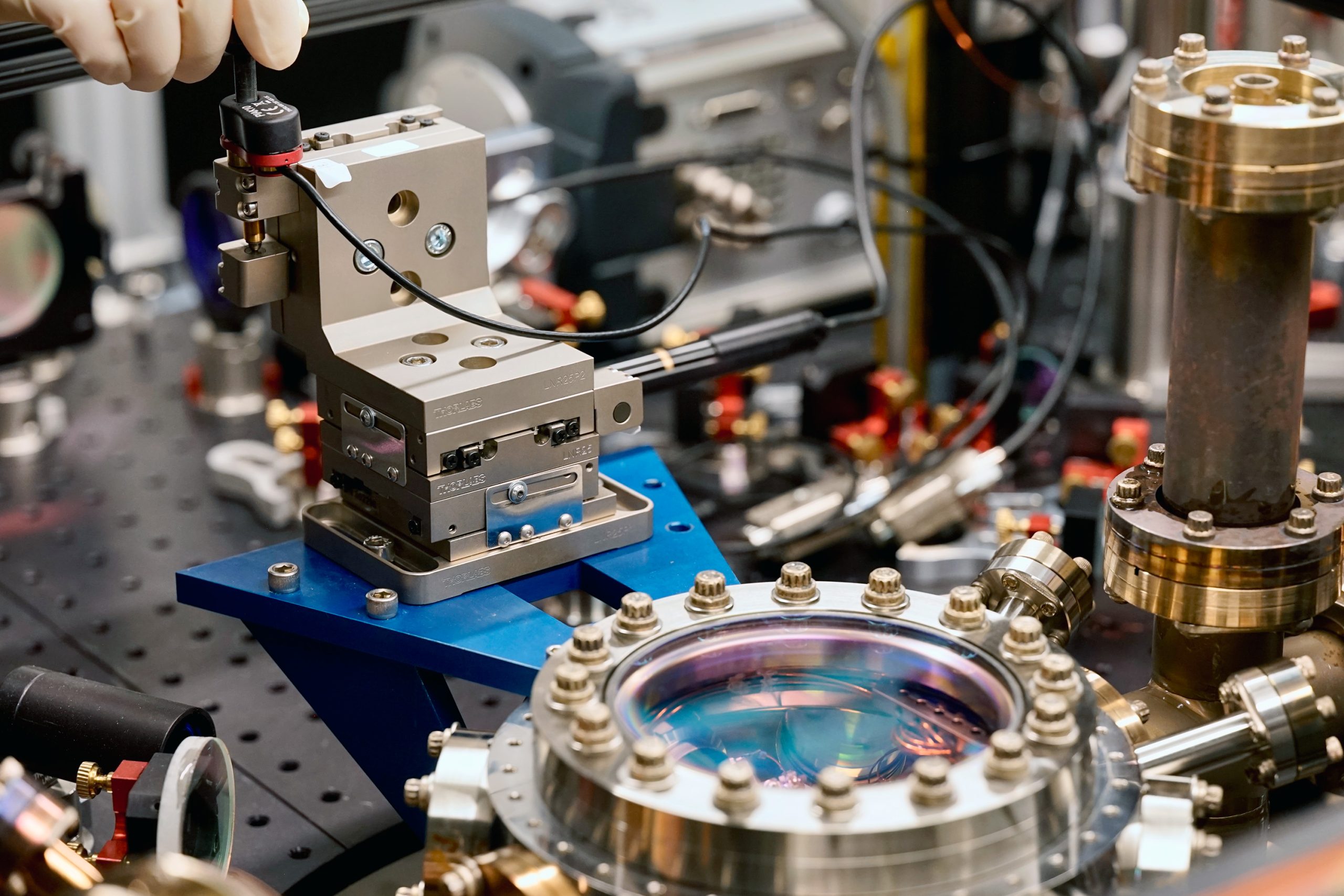
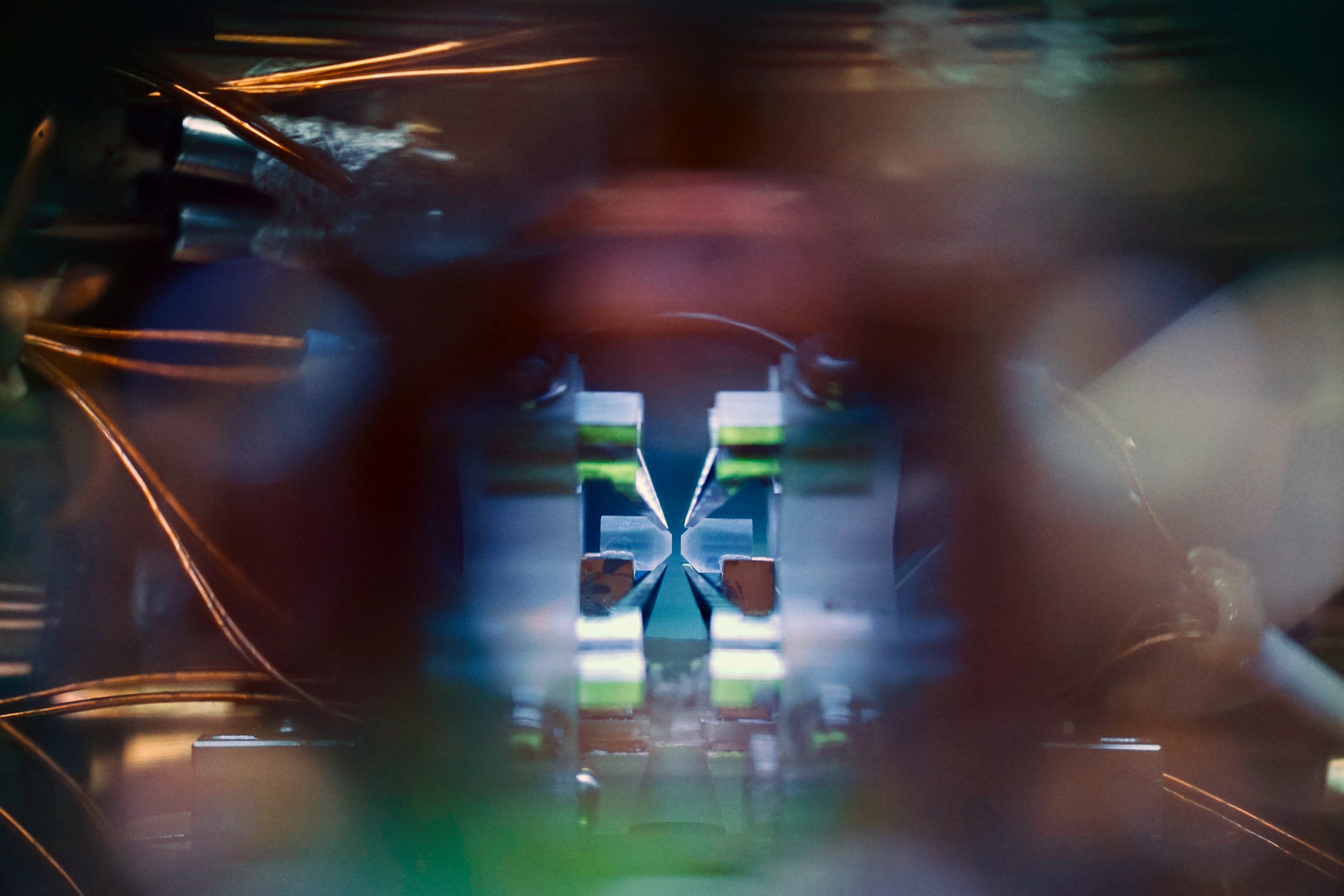
Q-Block Computing is a home for the curious mind and unconventional thinking. We approach high-impact problems at the forefront of science and engineering. We pride ourselves by embracing risk, but with the humility to move on at times. Everyone talks about taking risks, but the very essence of taking a risk is that not everything we do will work out at the end. We find deep meaning in the pursuit of an idea larger than ourselves, with a real possibility of failure.
At the core of our culture, we are people who enjoy solving today’s most demanding challenges in Science and Technology. We are brutally honest. And Yes, we are not afraid to admit that universal quantum computers of the future may not yield the kind of economic impact, as often portrayed in the media. Instead, we strive to realize fault-tolerant quantum systems from the elementary building block of Nature, atoms and photons, because we find such a possibility interesting and intriguing. Programmable quantum systems allow us to probe the computational power available in Nature and help us understand the physical laws in terms of informational quantities. In our view, quantum computer is an aspirational goal, as human species, to explore the Hilbert space, conquering the complexities of physical systems. Quantum computers may not be the economic driver of the future, while we also do not deny the possibility of transformative impacts enabled by quantum devices. But this is not what drives us to work every day.
We think about big questions at the forefront of our understanding, and we make the tools enabling us to investigate the mysteries of our universe. We cherish avant-garde science and blue-sky research over a time of horizon longer than today’s academic institutions.
- What is the computational power of Nature?
- Baryonic asymmetry problem
- QCD at high density
- Quantum gravity and entanglement
Our business proposition is simple. The tools we develop in pursuit of our sciences are useful for other tasks in society with unparalleled return. We commercialize these tools (Q-block modules) for us to reach the scale needed for taking on big questions. Our quantum-inspired hardware solutions will find the critical applications for the betterment of our society.
Decode Nature’s Foundational Model
The Church-Turing Thesis, in its classical form, is a statement about the universality of computation: any function that can be computed by a physical process can be computed by a Turing machine. It was a remarkable unification—mathematics, logic, and physics converging on a single model of what it means to calculate. But it carried an assumption that went largely unexamined for decades: that the physical world, at its deepest level, is classically simulable.
Quantum mechanics unsettles that assumption in a precise and uncomfortable way. The state space of even a modest collection of entangled particles grows exponentially with system size, placing exact classical simulation beyond reach not merely in practice but in principle. The Extended Quantum Church-Turing Thesis responds by proposing that a quantum computer—not a classical one—is the right universal model: that any physical process permitted by the laws of Nature can be efficiently simulated by a quantum system obeying those same laws. This is not merely a computational claim. It is a statement about the structure of physical law itself—that Nature computes, and that it computes quantumly.
What follows from taking that thesis seriously as an experimental program is profound. If quantum systems are Nature’s native computational substrate, then a programmable quantum device is not just a faster calculator—it is an instrument for reading physical law in its own language. Problems that sit at the boundary of our understanding—quantum gravity, strongly correlated matter, the emergence of spacetime from entanglement—may not be analytically tractable, but they may be directly simulable. The universe’s foundational model may be accessible not through a closed-form equation, but realized through a quantum experiment.
But reading a model is not the same as wielding it. A foundational insight earns its meaning only when it becomes a foundational capability—when the coherence that carries Nature’s computation can be sustained, directed, and put to work outside the conditions that first revealed it. That is the bridge from understanding to building, and it is where our mission begins.
Distribute Quantum Coherence
Quantum coherence does not yet scale. It is produced in isolated systems under conditions that suit individual experiments, not the demands of fundamental science or a real market. The problems worth solving—in timing, networking, and computation—are bottlenecked by the absence of coherence as a supply: a resource that can be produced, distributed, and relied upon across systems. Industrializing it is a coordination problem before it is a physics problem. Resilient quantum infrastructure does not emerge from a better qubit; it emerges from the orchestration of photonic, atomic, and control systems into architectures that hold coherence together across components, modules, and the operating conditions of actual deployment.
Q-Block modules are that architecture. Each module integrates the photonic, atomic, and control layers into a self-contained, manufacturable unit that generates and preserves coherence to specification—and, taking after superscalar processing, is designed to be composed: networked across modules to distribute coherence as infrastructure rather than confine it to a single device. The same units that scale coherence toward the problems behind our vision are the units deployed at industrial scale into timing, networking, and computation markets. Treating coherence as a commodity—manufactured, distributed, and engineered for resilience in Q-Block modules—is what lets one capability serve both ends.